
Scaling a 3PL Without Losing Operational Control
Growth changes a 3PL in ways that are easy to underestimate. New clients bring more inventory and orders, but they also bring different products, service requirements, shipping rules, reporting expectations, billing structures, and exceptions.
A warehouse can add space and labor to handle more physical work. Operational control is harder to expand because it depends on people having a clear view of what is happening across clients, systems, locations, and workflows.
The risk is not growth itself. Problems start when complexity increases faster than the processes and information used to manage it.
More Clients Create More Variation
A new client rarely fits perfectly into the workflow that already exists. One account may ship mostly consumer orders, another may handle wholesale activity, while another may depend on several ecommerce channels and different carrier rules.
Those differences affect more than fulfillment. Receiving, product setup, inventory handling, returns, reporting, billing, and account management can all vary from one client to another.
A growing 3PL therefore manages two things at once. It has to process more activity while also keeping a larger number of operating rules clear.
That distinction matters because volume and variation create different problems. More volume can often be addressed with additional capacity, while more variation requires stronger process discipline.
Standard Processes Need Room for Client Requirements
Standardization becomes more important as the client base grows, but that does not mean every account should operate the same way. Clients have legitimate differences that the warehouse needs to preserve.
The useful approach is to standardize the structure around the work. Receiving can follow a common process while specific checks vary by account, and packing can use the same basic workflow while packaging rules differ where needed.
This gives employees a familiar operating model without forcing client requirements into one template. It also makes unusual requests easier to identify because the normal process is already clear.
Custom steps should remain visible as exceptions to a standard process. When every account develops its own informal workflow, the operation becomes harder to train, measure, and change.
Manual Workarounds Can Hide Loss of Control
A growing operation can look stable because experienced employees know how to compensate for weak processes. They recognize unusual orders, remember client preferences, and know which spreadsheet contains information that the primary system does not show.
That knowledge keeps work moving, but it also creates dependency. The process works because specific people know what to do, not because the operation makes the correct action clear.
As more clients arrive, those workarounds tend to multiply. Account managers answer routine warehouse questions, supervisors interpret client rules, and employees maintain notes outside the systems used for daily execution.
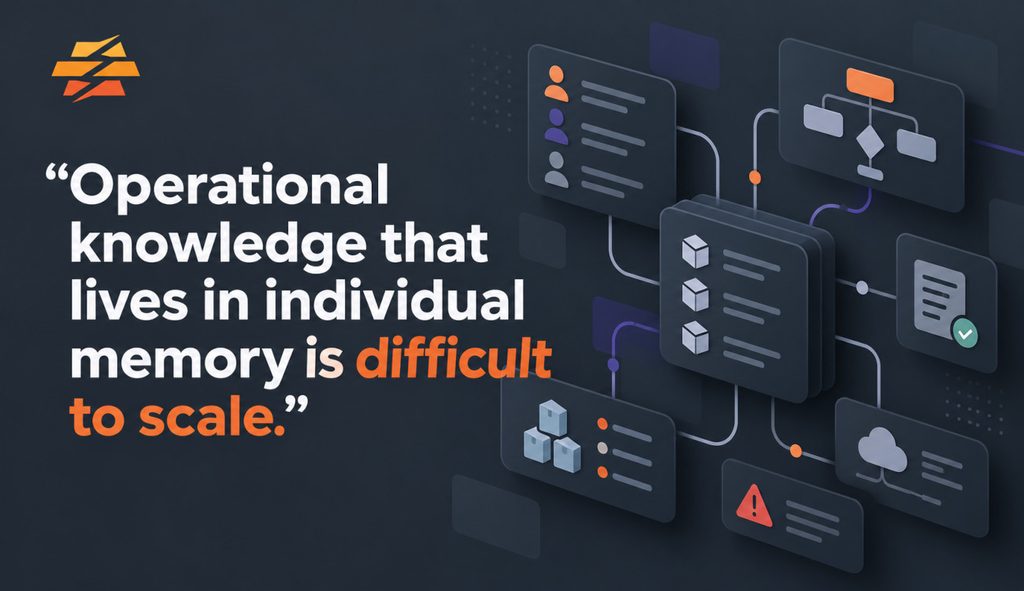
The problem becomes visible when volume rises, a key employee is unavailable, or a new team member has to perform the same work. Operational knowledge that lives in individual memory is difficult to scale.
Client Rules Need to Be Easy to Find
Every client brings information that affects warehouse execution. Some rules relate to receiving, others to packaging, shipping, inventory handling, returns, or reporting.
That information loses value when employees have to search through emails, documents, or message threads before they can act. The rule may exist, but it is not available where the work happens.
A better operating model keeps client context close to the workflow. Employees should be able to identify the relevant requirement when they receive, pick, pack, ship, or investigate an exception.
This also reduces the amount of knowledge that training has to transfer informally. New employees can learn how the operation works instead of memorizing which coworker knows each client.
Inventory Visibility Becomes a Network Problem
Inventory gets harder to understand as a 3PL adds clients, products, and locations. Operators need to know more than what is physically inside one building.
They may need to see which client owns the inventory, where it sits, how much is available, what is already committed, and whether any quantity is on hold or moving between locations.
That becomes more important when one client uses several facilities. A warehouse view may be enough for local execution, but the operations team also needs a broader picture of the account.
The network view cannot erase client ownership. Shared buildings and shared infrastructure still require inventory records that remain distinct by account.
Order Growth Exposes Weak Processes
A low volume process can tolerate manual correction. Someone notices incomplete order data, fixes a routing issue, or contacts the account manager before the warehouse releases the work.
Those interventions become harder to maintain when more orders move through the same operation. The team has less time to inspect each transaction individually, which makes process quality more important.
A scalable order flow should make normal work predictable. Orders that contain the information required for fulfillment should move without unnecessary intervention, while exceptions should become visible to the people who need to resolve them.
This reduces the amount of attention spent on orders that are already fine. Experienced staff can focus on the smaller group of transactions that actually require judgment.
Exceptions Matter More Than Perfect Orders
Most warehouse activity does not need management attention when the process works as expected. Operational control becomes valuable when something moves outside that expected path.
An order may lack information, inventory may not match the record, a receipt may contain a discrepancy, or a return may require a decision before stock becomes available again.
If teams cannot separate those exceptions from normal activity, they spend time searching for problems rather than resolving them. The operation becomes reactive because someone has to notice the issue manually.
A stronger model makes exceptions easier to see and gives them enough context for action. The team can understand which client is affected, what happened, and what still needs to be done.
Growth Changes the Role of Account Management
Account managers often become an informal bridge between warehouse operations and clients. That role can work well when they are helping interpret requirements, coordinate changes, or resolve unusual situations.
It becomes less efficient when routine operational information also depends on them. Inventory balances, order status, receiving progress, shipment details, and other basic questions should not require repeated manual research.
As a 3PL scales, that distinction matters. Every new client adds more communication, but the amount of manual information retrieval should not grow at the same pace.
Better visibility allows account managers to focus on decisions and client coordination. It also gives warehouse teams fewer interruptions from questions that existing operational data can already answer.
Reporting Needs to Scale With the Operation
Reporting can become another hidden source of manual work. A report that works for one client may slowly develop into a different spreadsheet, export process, or set of calculations for every account.
Clients will not all need the same view, but the underlying data should still follow a consistent structure. Inventory, orders, receipts, returns, exceptions, and fulfillment activity should not require a separate interpretation for each report.
A stable reporting foundation allows the 3PL to present different views without rebuilding the operational record behind them. One client may focus on inventory while another watches order activity, but both can work from the same underlying definitions.
That approach helps reporting grow with the account. More activity does not automatically mean more manual preparation.
Labor Planning Needs More Than Order Counts
Warehouse workload does not increase evenly across clients. Some orders move quickly through the building, while others require more handling, packaging, documentation, or product specific steps.
Looking only at total order volume can hide those differences. Two days with similar order counts may create very different labor requirements depending on the work inside those orders.
As the client mix grows, operators need enough context to understand the type of work entering the warehouse. Receiving patterns, product characteristics, order profiles, and special handling requirements can all affect labor demand.
This does not require a separate planning model for every client. It requires enough visibility to recognize that transaction count and workload are not always the same thing.
Billing Complexity Grows Behind Warehouse Activity
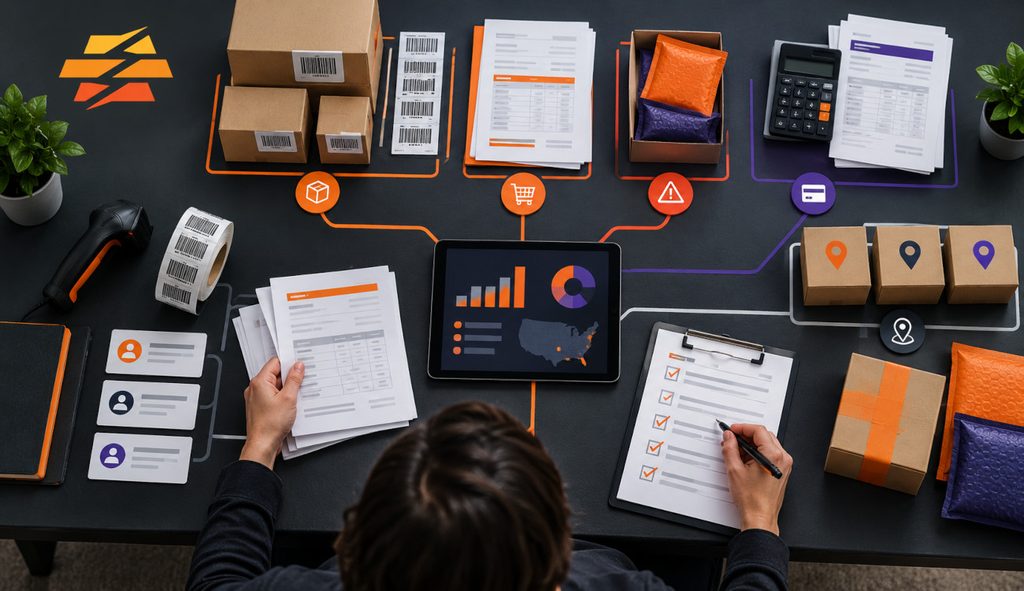
Every service performed inside the warehouse creates operational history. Receiving, storage, picking, packing, returns, special handling, and other work may also need to connect to a client billing record.
Growth makes that connection harder when activity is tracked in one place and billing logic lives somewhere else. Teams may need to reconstruct what happened after the warehouse has already completed the work.
That process becomes more difficult as the number of clients and rate structures increases. The underlying activity needs clear client context so billing teams can understand which account generated the work.
A cleaner connection between operations and billing does not require every client to use the same commercial structure. It gives different billing rules a more dependable operational record to work from.
More Systems Do Not Automatically Create More Control
A growing 3PL often adds technology because different parts of the operation need different capabilities. The WMS manages warehouse execution, while ERP, EDI, ecommerce, carrier, financial, and client systems perform other jobs.
The difficulty appears when operators need to search across several systems to understand one operational event. Each tool may hold a correct piece of information, but the complete picture requires manual assembly.
Replacing working systems is not the only way to address that problem. CommerceBlitz OMNI is designed as an additive bolt on data layer that can connect operational information while the existing WMS, ERP, EDI, and other systems continue performing their established roles.
That approach becomes relevant during growth because visibility can expand without asking every part of the operation to move into one system. The objective is a clearer operational view, not another replacement project.
Data Definitions Need to Stay Consistent
Growth creates confusion quickly when teams use the same words to mean different things. Available inventory, completed order, received stock, and shipped order can each mean something slightly different depending on the system or team using the term.
At smaller scale, people often resolve those differences through conversation. A warehouse lead explains what the status means, or an account manager interprets a report for the client.
That becomes harder across more accounts and locations. Shared definitions help teams understand the same activity without relying on repeated explanation.
Consistency also makes reporting and exception management more useful. Teams can compare activity with more confidence when the underlying terms mean the same thing across the operation.
Adding Locations Changes the Management View
A second warehouse does more than create another place to store inventory. It adds another receiving operation, labor pool, inventory position, fulfillment path, and source of exceptions.
Local teams need enough information to run their building, while central operations need enough visibility to understand how the network is performing. Those two views serve different purposes.
A network view should make it possible to understand where client inventory sits and where work is moving without removing the detail needed at each facility.
This is where operational control becomes broader than warehouse supervision. Leaders need to understand activity across locations while allowing each site to execute the work assigned to it.
New Client Onboarding Can Create Future Problems
Client onboarding often focuses on getting the account live. Product data needs to load, integrations need to work, inventory needs to arrive, and orders need to begin flowing.
The risk comes from solving launch problems with temporary processes that never disappear. A spreadsheet created for the first week can become part of daily operations because nobody returns to remove it.
Every workaround added during onboarding should have a clear purpose. The team should know whether it is a permanent client requirement or a temporary bridge while another part of the process is completed.
That discipline protects future operations. Growth becomes harder when each new client leaves another layer of manual work behind.
Operational Control Depends on Clear Ownership
Problems move faster when everyone knows who is responsible for the next action. They move slowly when several teams can see an exception but nobody clearly owns it.
This becomes more common in larger operations because work crosses more departments. A receiving discrepancy can affect inventory, account management, reporting, and eventually order fulfillment.
Clear ownership does not mean one person handles the entire problem. It means the workflow identifies who needs to act next and what information they need.
That reduces unnecessary escalation. Teams can move the issue through the operation without rebuilding the context at every handoff.
Scaling Should Reduce Dependence on Heroics
Some warehouse teams are very good at rescuing difficult situations. Experienced employees stay late, supervisors solve unclear orders, and account managers find information that nobody else can locate.
Those efforts can protect service in the short term. They should not become the normal operating model.
A scalable 3PL makes routine work routine. Systems and processes carry enough context for employees to execute normal activity without constant intervention from the most experienced people in the building.
That leaves those employees available for the situations that genuinely require experience. Operational control becomes part of the process instead of depending on who happens to be working that day.
Growth Should Make the Operating Model Clearer
A 3PL does not need less flexibility as it grows. It needs clearer boundaries around where flexibility belongs.
Client requirements can remain different while the business standardizes how it manages ownership, status, exceptions, reporting, and operational data. Warehouse teams can work inside repeatable processes while account specific rules remain visible where they matter.
That is what allows growth without losing control. More clients and more activity can move through the operation without requiring the management team to manually hold every piece together.
The next step is to identify the processes that still depend on spreadsheets, personal memory, manual status checks, or one specific employee, then decide which of those dependencies should disappear before the next stage of growth.