
Every client, every building. One order line.
Ten clients, four channels each, two buildings of your own and a partner warehouse on the other coast. Every order they sell lands on your floor or your partner’s, and every question they ask lands on your account manager. A client portal, the order line and the billing, on top of the warehouse system you already run.
-
What lands on you
Shopify and Amazon orders, retailer EDI, a spreadsheet from a client’s sales rep, a kit program, a client whose whole network you run, and the returns from all of it.
-
What each client wants
To see their own orders, their own stock and their own invoice without calling you, and to add a channel without a project.
-
With CommerceBlitz OMNI
Every order from every client sits on one line your floor works from. Each client signs in to their own portal, sees their own slice of it, and reads the same invoice you do.
For 3PLs and multi warehouse operators · CommerceBlitz OMNI
Your floor does the work. The record does the reporting.
Bolt on. Your floor keeps its system. Your clients’ channels connect to CommerceBlitz OMNI, their orders export into the pick process you run today, and every shipment gets checked against your warehouse system, the channel and the carrier. Your accounting gets itemized invoices and the audit trail behind them.
What changes is where the questions go. Every client’s orders, stock and invoice sit on a record they can open themselves. The phone stops ringing about things they can see.
Stand out to your clients
The new client
With CommerceBlitz OMNI
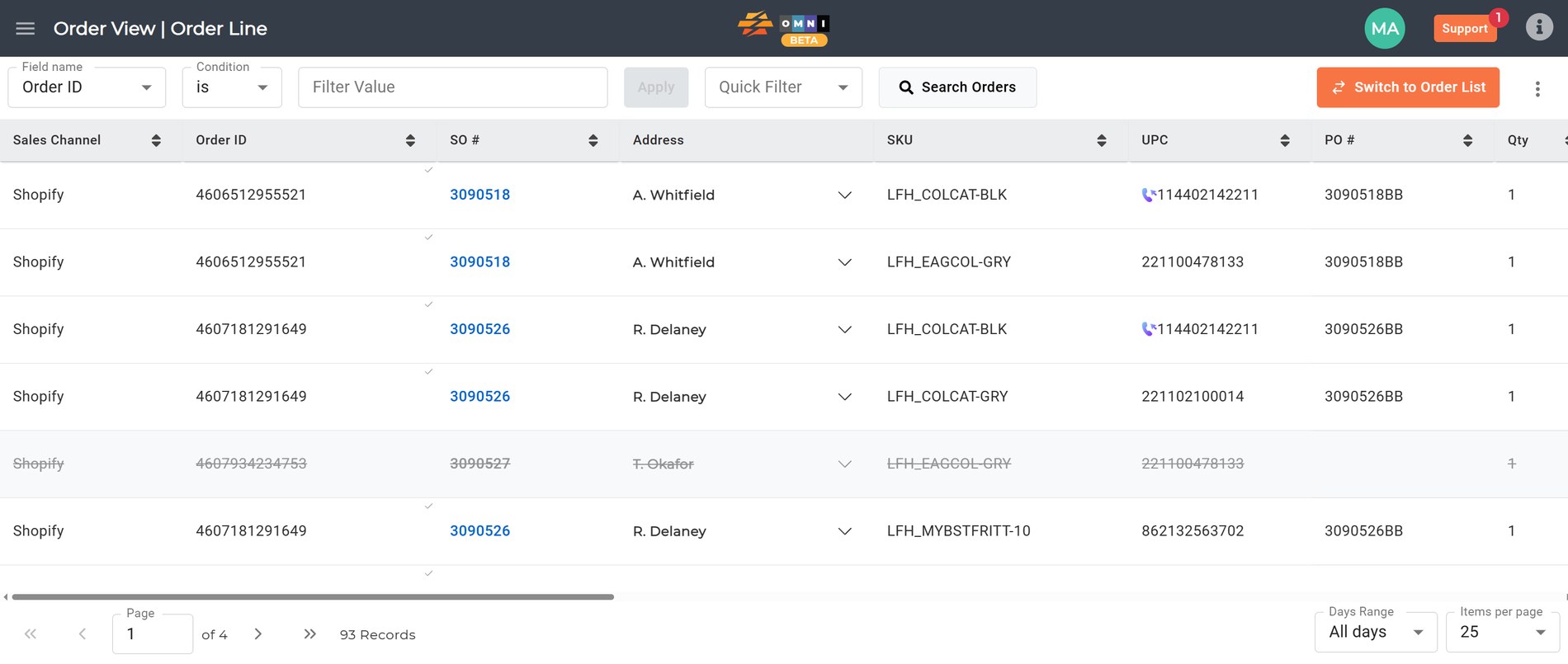
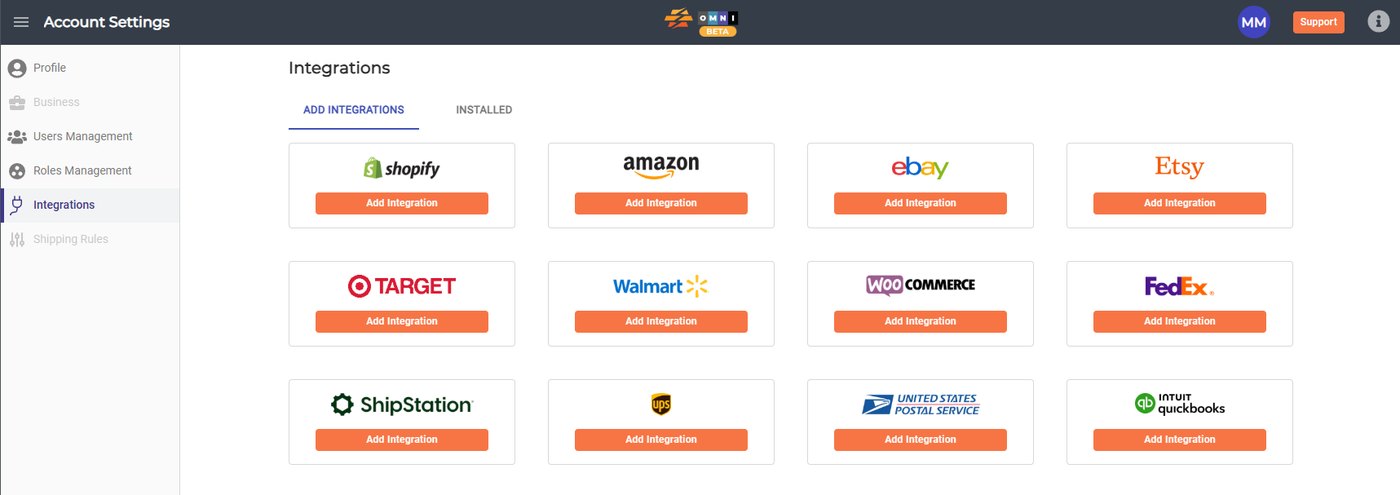
The client signs in to their own portal and connects their own Shopify, Amazon and Walmart accounts. Their catalog pulls in and gets checked for SKU and UPC problems. They fix their own listings.
Today
A new client means a channel integration for the warehouse system, paid for before the business exists to cover it. Their product file arrives as a spreadsheet with duplicate SKUs and half the UPCs missing. Somebody on your side cleans it by hand, and then the client sends a new version.
What the record holds
Every SKU and UPC, matched or flagged, from day one. When product hits your dock, the scan matches the catalog, and nobody argues about whose listing is wrong.
The Tuesday order file
With CommerceBlitz OMNI
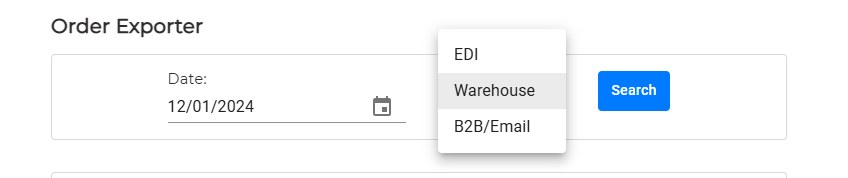
Channel orders, retailer EDI and the emailed B2B order all land on the same line and export to your pick process by type. The emailed one gets keyed by the client, not by you.
Today
Shopify orders come through the integration. The retailer’s EDI comes through the VAN. The client’s sales rep emails a spreadsheet of wholesale orders that somebody retypes into the warehouse system. Three doors in, three chances to get it wrong, and the retyped one is always the one that goes wrong.
What the record holds
Every order carries its type, its channel and its PO number. The export to your floor is one file per type, and the floor works pick tickets the way it does today.
Two buildings and a partner
With CommerceBlitz OMNI
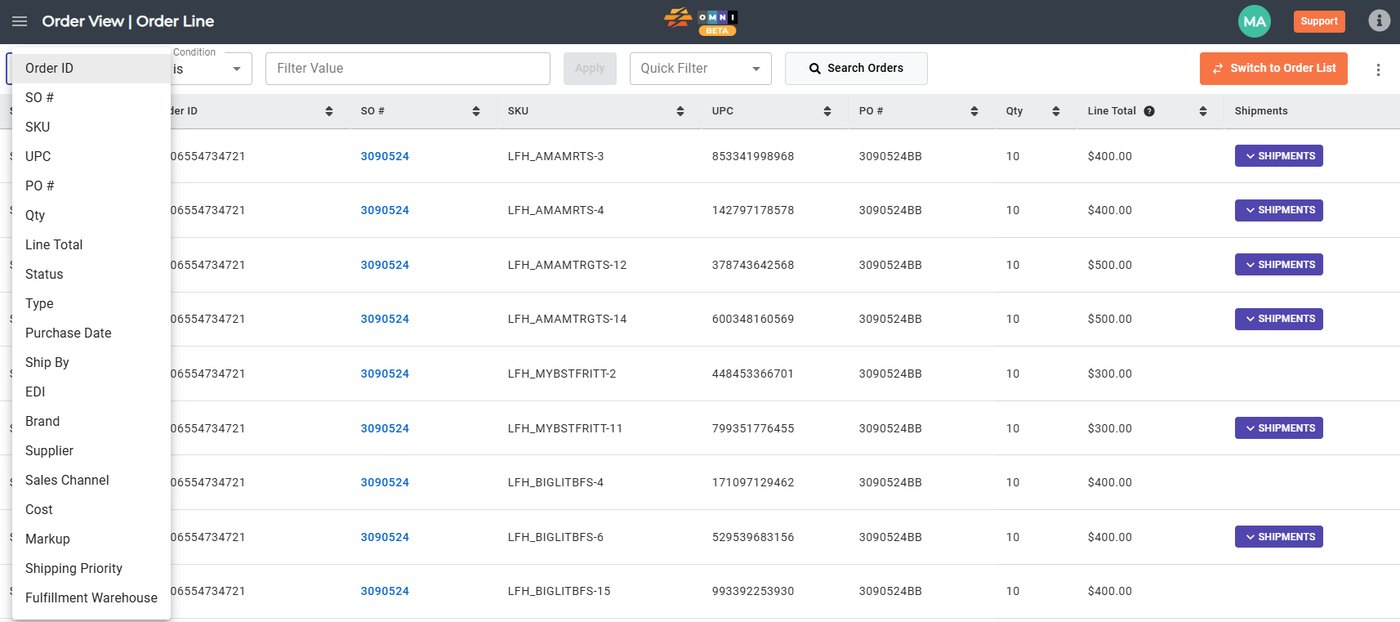
The fulfillment warehouse is a field on every order line, whether it is your building or a partner’s. Filter to a building and you are looking at that building’s day. When you run a client’s whole network, the partner 3PLs work their own view of your record, in their role, and you see across all of it.
Today
You have the same client’s stock in two of your buildings and at a partner warehouse on the other coast. Which building ships this order is a decision somebody makes in their head, the partner reports in their own format on their own day, and which building shipped it last month is a question nobody can answer without two warehouse systems and a spreadsheet.
What the record holds
Which building or which partner filled which order, by client, by channel, by day. The client can read it too, which ends the call asking which of your buildings has their product. The 4PL job and the 3PL job are the same record.
The return nobody logged
With CommerceBlitz OMNI
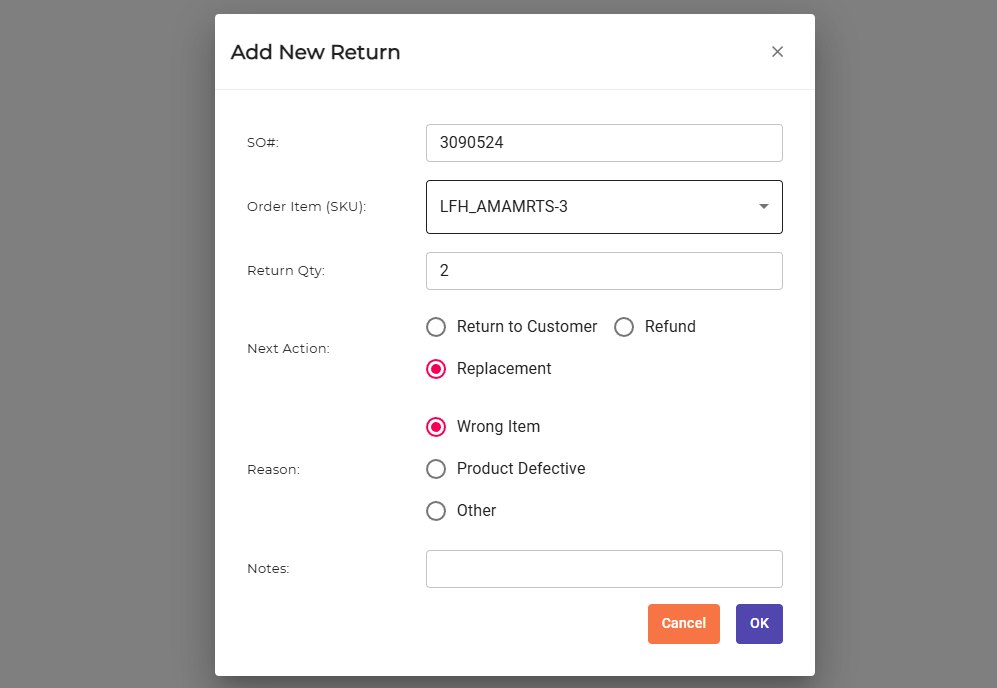
The return is raised against the sales order and the SKU, with the next action and the reason on it. The client sees it. The replacement goes out as its own order, tied to the first one.
Today
A box comes back to the dock with a packing slip and no story. Somebody puts it on a shelf. Two weeks later the client asks why the customer is still waiting for a replacement, and the answer is on a shelf.
What the record holds
Return quantity, next action and reason, on the order it came from. Returns by client and by reason are a filter, not a project.
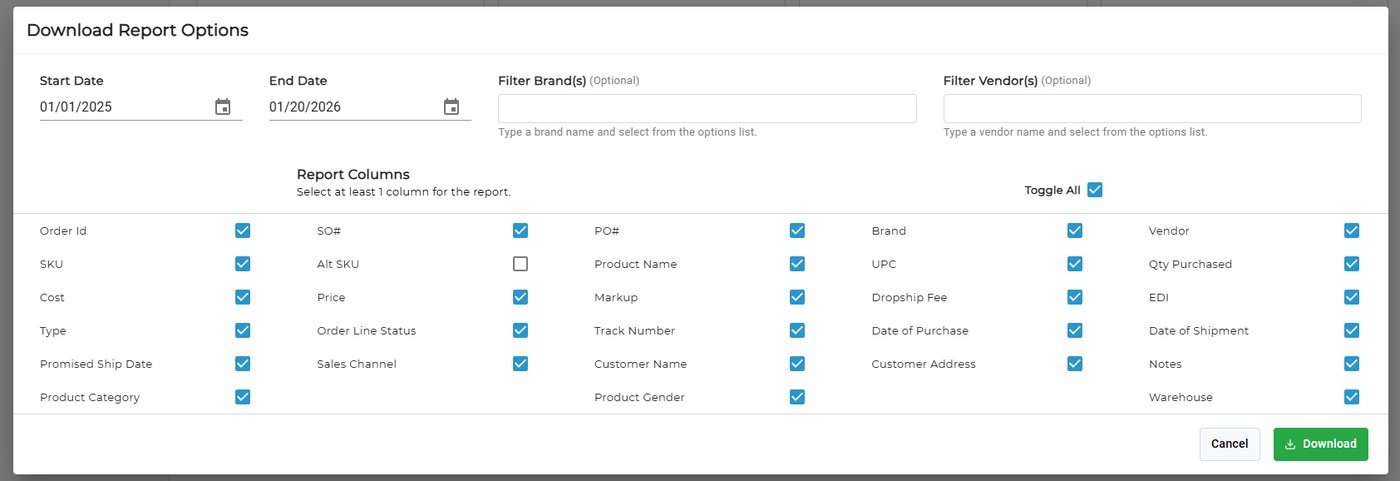
The report is a download, not a project.
Every column your client asks for is a column on the record: cost, markup, dropship fee, EDI, warehouse, tracking, date of shipment. They pick the columns, they pick the dates, they download it.
Your account manager stops being the report.
Become the one they keep
The marketing kit program
With CommerceBlitz OMNI
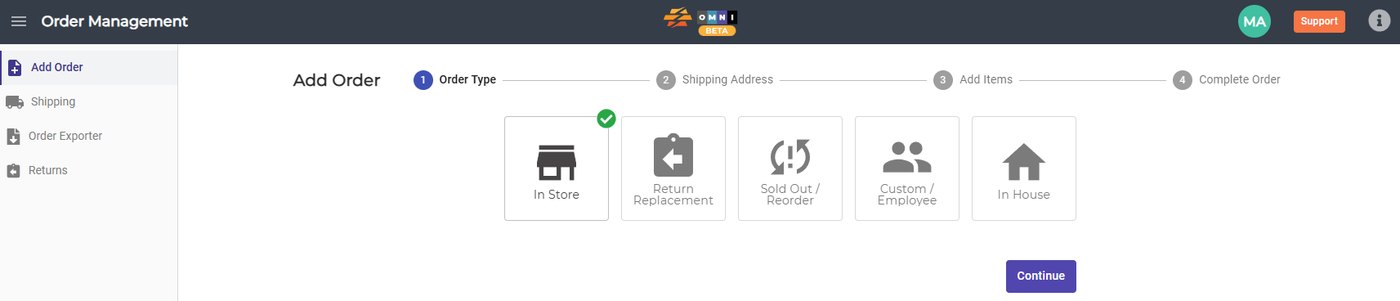
The client’s marketing team keys the program themselves: two hundred creator kits as custom orders, forty store display sets as in store orders. They pick, ship and cost like any other order, and the client’s finance team sees the work order fees on the same invoice.
Today
A brand manager emails a list of influencers and asks you to build and ship two hundred kits by Friday. There is no order for them, so there is no pick ticket, no tracking anybody can find, and no clean way to bill the work. The kits go out, the invoice is an argument, and next quarter they do it again.
What the record holds
Every kit and every display set is an order with a type, a tracking number and a cost. The client reads what landed and where, and you bill the work from the record.
The Thursday question
With CommerceBlitz OMNI
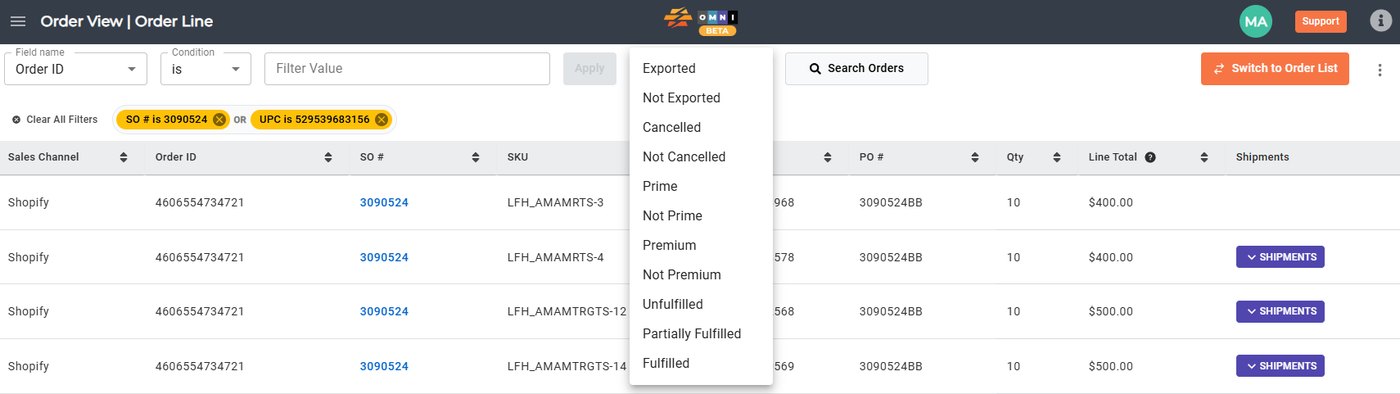
The client opens their own view and checks. If they want it a different way, they filter it and send themselves the link.
Today
The client’s finance person asks for last week’s shipments formatted her way. Their sales rep calls about a wholesale order. Their marketing coordinator asks if the kits went. Your account manager opens three systems, builds a spreadsheet, and sends the weekly email. Tomorrow they ask again, and next month the same work becomes the QBR deck.
What the record holds
The same record your floor works from, filtered to the client’s permissions. The weekly email and the QBR deck are a saved filter. You see which clients ask the most and which never need to.
The invoice conversation
With CommerceBlitz OMNI
Pick, pack, work order and special order fees are itemized per client from the orders on the record, and go out on your cycle, down to weekly. The repack, the extra label, the dunnage and the rush are lines on the order, so they are lines on the invoice. The client sees the same fields you see.
Today
Billing runs at month end from a rate card in one spreadsheet and a count from another. The repacks, the extra labels and the dunnage from three weeks ago never make it onto the invoice, because nobody wrote them down. The client disputes the work order line because they cannot see what it covers. The credit goes out, the cash comes in late, and you carry their program for six weeks.
What the record holds
Which fee attached to which order, for which client, and when it went out. The invoice conversation is short because both sides are reading the same lines.
Nothing ships twice
With CommerceBlitz OMNI
On every order Routes watches your warehouse system, the sales channel and the carrier account. If tracking exists anywhere, it gets caught, logged and pushed everywhere it belongs, the order is marked shipped so no other building ships it, and the carrier’s cost for that shipment lands on the order.
Today
A marketplace order gets marked shipped in the channel but not in the warehouse system, or the other way round. It ships twice, or the tracking never reaches the buyer and the marketplace counts it late. You find out from the chargeback.
What the record holds
Every shipment matched three ways. The one that does not match is the one you look at, and it is the only one.
The rest of what it runs for you
The order line is one screen on a system that runs the whole operation. The same login, the same record, every client.
-
A portal for each client
Each client gets their own login and their own view. They connect their own Shopify, Amazon and Walmart accounts. You see across all of them.
-
Catalog sync and report card
Products pull in from every channel and get checked for SKU and UPC problems. The client fixes their own listings and resyncs. No CSV trading.
-
EDI, dropship and special order
Retailer EDI and dropship orders mapped through the EDI setup you already run, with the pick types to match.
-
Billing and rate cards
Itemized pick, pack, work order and special order fees per client, billed on your cycle, down to weekly.
-
Three way shipment audit
Routes checks every order against your warehouse system, the sales channel and the carrier, so nothing ships twice, no tracking goes unlogged, and the shipment cost lands on the order.
-
Texts from the order, not from a phone
Turn texts on for an order and the customer or the store gets the ship confirmation, the delivery window and a text when the order closes, in the client’s name, with no app. Replies land on the order against the person who sent them.
-
White glove and final mile
The delivery that needs a crew is a ticket on the same line, with the photos and the sign off. See the final mile page.
-
Ask instead of pulling a report
Your team and your clients ask a plain question about inventory, orders or shipments and get the answer. Runs in our own private cloud. Client data stays in.
Each one answers a question, in order, and the next one works from the answer. The full write up of each engine is on the components page.
 What is actually on hand?
Every client’s stock across your buildings and your partner’s, pulled in from the warehouse system, the feeds and the spreadsheets, and cleaned before anything downstream reads it.
 What can each client sell?
On hand minus what is already committed, one number per SKU, pushed to that client’s channels.
 Which of their channels gets it?
Allocation across a client’s storefronts by the rules they set, with thresholds that publish zero before an oversell.
 Which building ships it, and did it ship?
Each order assigned by cost, geography and service level, with a fallback. Then Routes watches the client’s channel, your warehouse system and the carrier account. When a tracking number appears anywhere, the order is marked shipped so no other building ships it, and the shipment cost lands on the order.
Where each piece shows up on the platform.
- Orders Every channel and every EDI order in one queue, filterable from any cell.
- Warehouses Counts from your WMS, a client’s WMS or ours, resolved into one list per zone.
- Billing One set of events, two rate cards, and why your client cannot be looking at different numbers than you.
- Cash Flow Which part of a ninety day billing cycle is contractual, and which part you can shrink.
- Integration Turnkey connectors, connections built for your stack, and inventory sync that starts switched off.
- AI Most questions need one number rather than a dashboard, and reports built against your own fields.
Where it sits
Bolt on. Nothing gets ripped out.
Warehouse system
Stays the on hand master. Pick, pack, what left the building.
EDI backbone
Your VAN and your retailer relationships keep working as they do now. Channels get mapped through it, not around it.
ERP and accounting
The book of record. Handed itemized orders and fees, not a reconstruction.
CommerceBlitz OMNI carries every client’s orders across your buildings and your partners’ and out to the client as one record they can open. If a client runs CommerceBlitz OMNI for their own network, their orders land in the same system you already use.
This is what we are thinking. Tell us how it works with your business. If it works, great. If it does not, we both learned something.